(703) 372-5665

Do Teeth Whitening Strips Work? What They Can Really Change


Do Teeth Whitening Strips Work? What They Can Really Change
Drugstore shelves are full of products that promise a brighter smile in a week or two. The practical question behind those boxes is simple: do teeth whitening strips work in a way people can actually see?
Often, yes. Whitening strips can lighten certain kinds of tooth discoloration, but the result depends on what caused the color change, how evenly the strips fit, and whether the enamel is otherwise healthy.
For patients curious about in-office options and what a professional pathway involves, this professional teeth whitening guide explains how diagnosis and technique can change outcomes.
Lorton Town Dental in Lorton, VA offers professional whitening services for patients who want a more predictable alternative to over-the-counter strips.
How Whitening Strips Change Tooth Color
Teeth are not flat white surfaces. Their outer layer can pick up color over time from coffee, tea, red wine, tobacco, and normal aging.
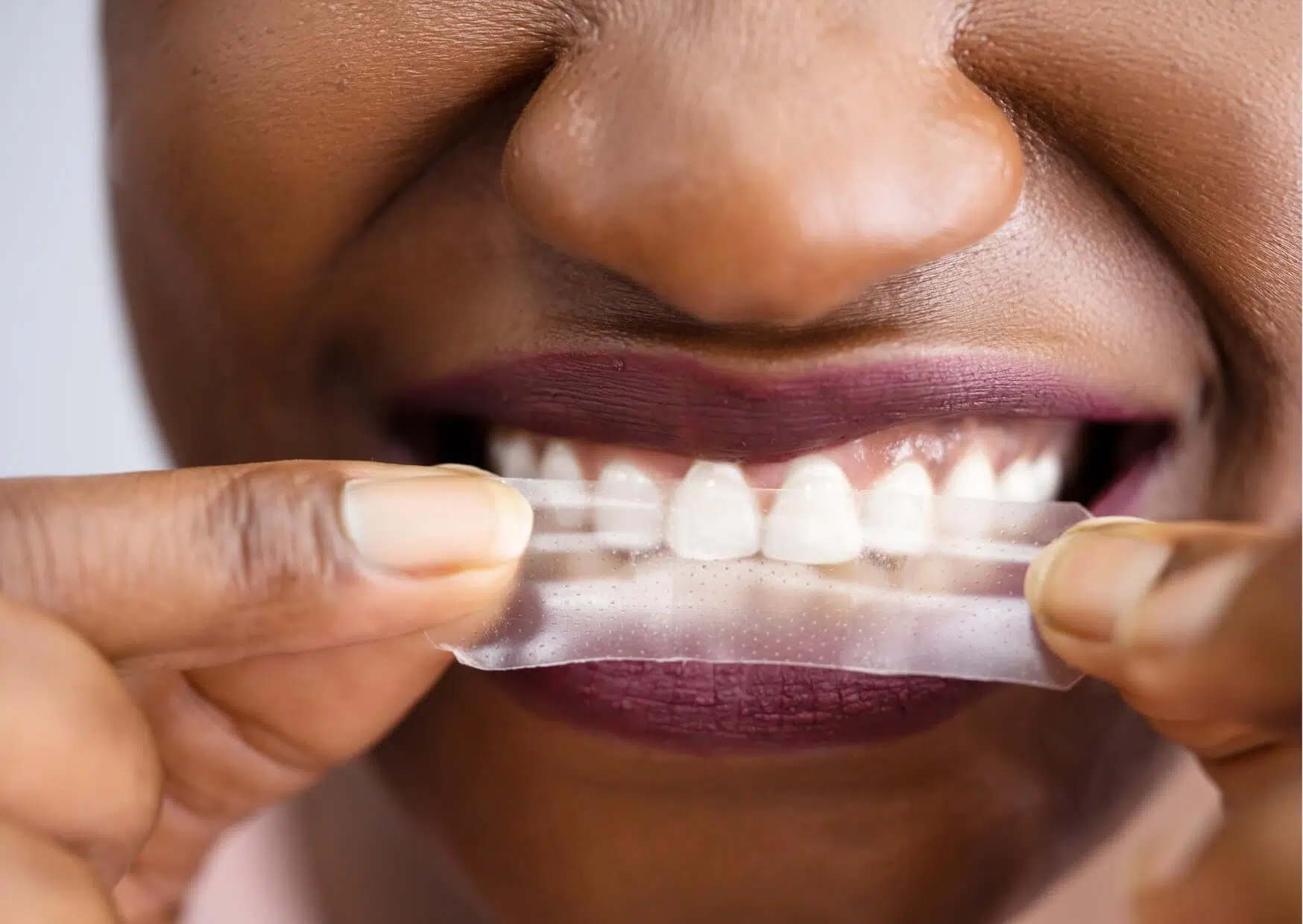
Most whitening strips use a peroxide-based gel. Peroxide works by oxidizing organic substances within the tooth structure, which can make teeth look lighter over time.
That is different from simple scrubbing. Whitening toothpaste may remove some surface debris, but strips are meant to change pigment within the enamel and just below it, where many common stains settle.
Dentists often describe discoloration as extrinsic or intrinsic. Extrinsic stains sit mainly on the surface, while intrinsic stains are deeper and usually harder for strips to improve.
When Whitening Strips Tend to Work Best
Whitening strips usually work best on mild to moderate yellowing. That is common with age and with staining from coffee, tea, and similar habits.
They often work less well on gray discoloration, visible banding, or stains linked to trauma, certain medications, or tooth development. In those cases, the change may be limited or uneven.
If teeth are naturally darker, strips may still help, but the improvement is often subtle rather than dramatic. Realistic expectations matter more than the marketing on the box.
What Results Most People Can Expect
Many people who respond to whitening strips notice some change within several days to two weeks. The final shade change varies, and it is normal for one area to brighten a little differently from another.
Teeth are not identical across the mouth. Canines, the pointed teeth near the corners, are often naturally darker than the front teeth, and strips may not fully erase that difference.
Fit also matters. If the strip does not contact every contour evenly, the result can look patchy, especially near crowded teeth or along the gumline.
This is one reason people sometimes feel disappointed even when the product technically works. The teeth may be lighter, but not in the smooth, uniform way advertising suggests.
Why Some Stains Do Not Respond
Some discoloration is not really a stain issue. It may come from enamel thinning, dentin showing through, old dental materials, or changes inside the tooth after an injury.
Dentin is the layer under enamel, and it is naturally more yellow or brown. When enamel becomes thinner from wear or erosion, the underlying color shows more clearly, and strips cannot rebuild lost enamel.
Whitening strips also do not change the color of fillings, crowns, veneers, or bonding. In those cases, restorative care may be needed. For patients considering alternatives when restorations are involved, see our piece on veneers vs. other options.
That mismatch is a common reason to get a dental opinion before whitening. Dental restorations do not whiten like natural teeth.
Common Side Effects and Who Should Be Careful
The most common side effect is temporary tooth sensitivity. This may feel like a short, sharp response to cold air, cold drinks, or even breathing through the mouth.
Some people also develop gum irritation if the gel overlaps the soft tissue. This is usually temporary, but repeated irritation is a good reason to stop and ask a dentist what may be causing it.
Whitening can be a poor choice when there is untreated decay, cracked teeth, significant gum recession, or active gum disease. These problems can make sensitivity worse and may need treatment before cosmetic whitening is considered.
Anyone with persistent pain, swelling, a broken tooth, or darkening in just one tooth should not assume whitening is the answer. A single dark tooth can need prompt dental evaluation because the cause may be internal damage rather than surface stain.
Whitening Strips vs. Professional Whitening
Dentistry has a long history of trying to brighten teeth safely. The main difference today is not just product strength. It is a diagnosis.
Professional whitening starts with a look at why the teeth changed color in the first place. That step is often overlooked, but it can make the difference between treating a simple stain and missing a larger issue.
What Strips Do Well
Strips are accessible, lower cost, and convenient for mild staining. For many people with generally healthy teeth, they can be a reasonable first step.
What Professional Care Does Better
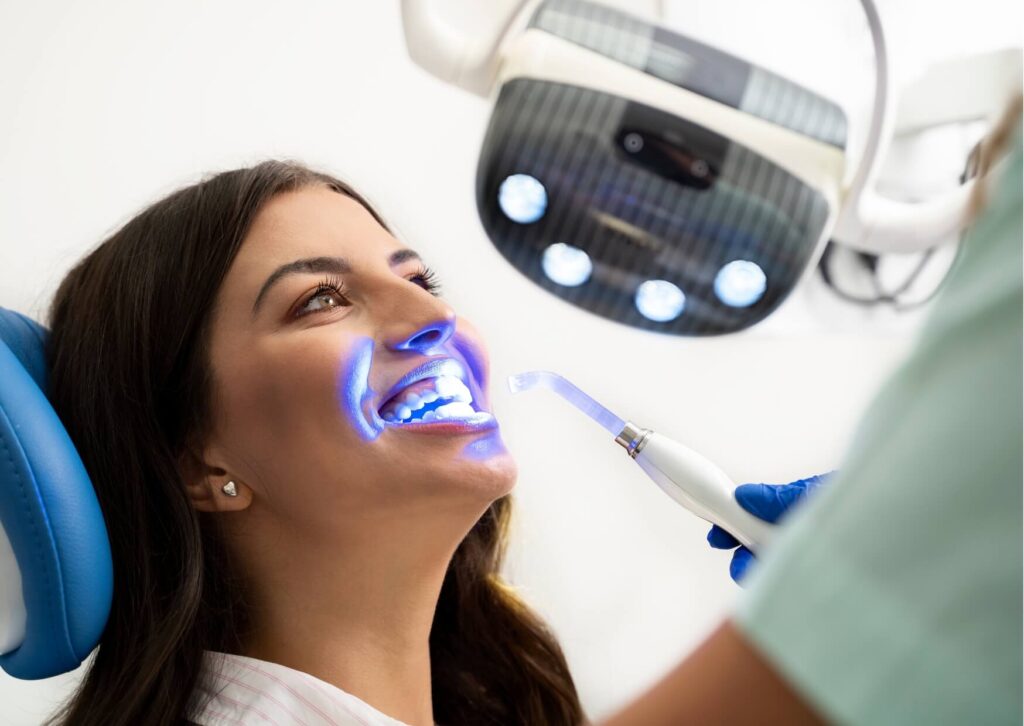
A dentist can check for decay, leaking fillings, recession, enamel wear, and color changes that suggest something other than routine staining. Professional systems may also give more even coverage and better control when teeth are crowded, restored, or sensitive.
Research comparing strip-based whitening with dentist-supervised bleaching has found greater color alteration with supervised treatment in some cases.
If the goal is a major color change, or if previous strip use gave uneven results, cosmetic options such as in-office whitening or matched restorations are usually the more efficient path.
| Option | Best For | Main Limits | Why It Matters |
| Whitening strips | Mild to moderate surface-related yellowing | Uneven fit, sensitivity, limited effect on deeper discoloration | Good entry point when teeth are healthy and expectations are modest |
| Professional whitening | Stronger or more controlled cosmetic improvement | Higher cost, requires dental evaluation | Better for complex staining, restorations, or sensitive teeth |
| No whitening yet | Teeth with pain, cracks, cavities, gum disease, or one dark tooth | Cosmetic delay | Safer because the cause may need treatment first |
When to See a Dentist Before Trying Strips
A dental exam is a smart first step if the color change is new, uneven, or hard to explain. It is especially important if one tooth looks darker than the rest, if there is pain, or if the gums bleed easily.
Other reasons to pause include visible cavities, rough edges, broken fillings, white chalky spots, or a history of strong sensitivity. These do not always rule out whitening later, but they do change what is safe.
Seek prompt dental care for swelling, fever, pus, severe toothache, trauma, or a tooth that suddenly turns gray or brown after an injury. Those signs may point to infection or internal tooth damage rather than a cosmetic issue.
A Practical Answer to the Question
So, do teeth whitening strips work? In many cases, yes. They can lighten common yellow, surface-related staining and may make a smile look noticeably brighter.
Still, they are not a universal solution, and they are not diagnostic tools. If the discoloration is deep, uneven, linked to dental work, or paired with pain or sensitivity, a dentist can help determine whether whitening makes sense or whether another problem needs attention first.
A brighter smile is not only about color. It is also about knowing the teeth beneath that color are healthy, stable, and worth protecting before any cosmetic change begins.
To discuss professional whitening at Lorton Town Dental in Lorton, VA, serving patients from nearby Springfield and Alexandria, call (703) 372-5665 to schedule.
FAQs
Do whitening strips work on all kinds of stains?
No. They often work best on mild to moderate yellowing from common foods, drinks, and age. They may work poorly on gray stains, trauma-related discoloration, or color changes caused by fillings, crowns, or enamel loss.
How long do whitening strip results usually last?
Results vary with diet, smoking, oral hygiene, and the starting shade of the teeth. For many people, the effect fades gradually over months, especially if staining habits continue. For practical tips on making results last, see how long whitening lasts and how to maintain whitening results.
Can whitening strips damage enamel?
When used as directed, whitening strips are generally considered safe for many adults with healthy teeth. Problems are more likely when teeth already have cracks, untreated decay, exposed roots, or significant sensitivity.
Why do my teeth look uneven after whitening strips?
Uneven results can happen if the strips do not contact every part of the tooth evenly. Crowding, tooth shape, gumline contours, and existing restorations can all make whitening look patchy.
Should I whiten my teeth if one tooth is darker than the others?
Not without a dental evaluation first. A single dark tooth can signal prior trauma, nerve damage, or internal changes that need diagnosis before any cosmetic whitening is considered.
Related Articles
- How to Get a Bright White Smile: The Ultimate Guide to Teeth Whitening
- The Definitive Guide to Professional Teeth Whitening
- How Long Does Teeth Whitening Last?
- Protect Your Bright Smile: Key Foods and Habits to Avoid Post-Teeth Whitening at Lorton Town Dental
- Dental Veneers vs. Other Cosmetic Options: What’s Best for You?