(703) 372-5665

Teeth Whitening Options


Teeth Whitening Options
A brighter smile is a common goal, but not every whitening method works the same way. The best option depends on the type of staining, the health of the teeth and gums, and how quickly you want results.
Some patients do well with professional treatment in a dental office, including in-office and take-home teeth whitening. Others may be better served by custom trays at home or by addressing a problem whitening will not fix, such as a crown that no longer matches nearby teeth.
Lorton Town Dental offers professional teeth whitening in Lorton, VA, and can help you understand whether in-office or custom take-home options fit your needs.
What Whitening Can and Cannot Change
Most whitening products use peroxide-based ingredients to break up stain molecules inside enamel, the outer layer of the tooth. This works best for common external staining from coffee, tea, red wine, tobacco, and normal age-related yellowing.
Whitening is less predictable for discoloration caused by trauma, certain medications, enamel defects, or changes coming from inside the tooth. It also does not lighten fillings, bonding, veneers, or crowns.
That matters because visible dental work can leave the smile looking uneven after whitening. In many cases, the issue is not that whitening failed, but that restorations do not change shade the way natural teeth do.
If existing dental work is part of the problem, restorative dentistry may be part of the solution.
Common Teeth Whitening Options
In-Office Whitening
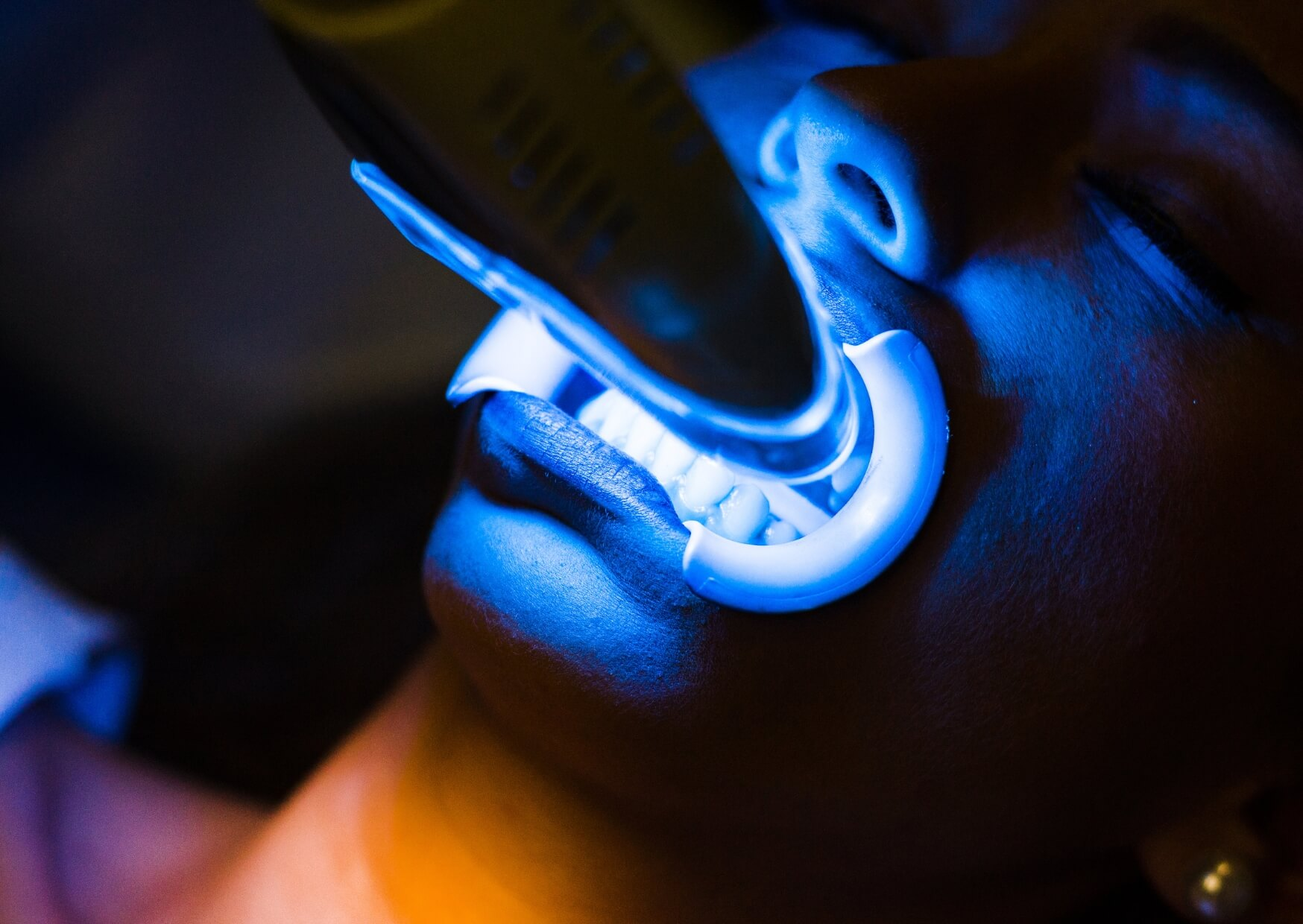
In-office whitening is usually the fastest option. A dental team applies a stronger whitening gel after protecting the gums and other soft tissues.
This option often appeals to patients with an upcoming event or anyone who wants a more controlled process. Some sensitivity can happen afterward, but treatment can be adjusted more easily in the office if teeth are already prone to discomfort.
Custom Take-home Trays From a Dentist
Custom trays are made from impressions or digital scans so the whitening gel fits closely against the teeth. This usually gives more even results than one-size-fits-all products because the tray matches the actual teeth and bite.
For many patients, this is the best balance of convenience, safety, and predictable improvement. Custom whitening trays are slower than in-office treatment, but they often work well for people who want gradual change with professional guidance.
Over-the-Counter Strips, Gels, and Whitening Toothpastes
Store-bought products can help with mild surface staining, especially when the teeth are healthy and the color change needed is modest. Strips and gels usually do more than whitening toothpaste, which mainly removes surface stain rather than changing the internal tooth shade.
The main limitation is fit and consistency. If the product does not contact the teeth evenly, results may look patchy, and gum irritation is more likely.
Whitening for a Single Dark Tooth
A tooth that darkens after an injury or root canal treatment may need a different approach. In that situation, a dentist may recommend internal whitening or another restorative option instead of standard external whitening.
This is one reason an exam matters before starting treatment. A single dark tooth can have causes that deserve evaluation, especially if the color change is new or comes with pain.
Who Is a Good Candidate for Whitening
Whitening tends to work best when teeth and gums are healthy, staining is mostly external or age-related, and expectations are realistic. Yellow-toned teeth often respond better than gray or brown discoloration, although there are exceptions.
A dental exam is especially helpful if there is tooth sensitivity, gum recession, untreated decay, worn enamel, or visible cracks. Whitening unhealthy teeth can increase discomfort, and sometimes the underlying problem should be treated first.
Patients with crowns, veneers, or bonding on front teeth may need a broader smile plan. A consultation about cosmetic dentistry can help determine whether whitening alone will meet your goals or whether other treatment is needed for an even, natural-looking result.
Whitening before cosmetic work can also help with treatment sequencing when restorations are planned. Discuss this during your consultation, or read more about whitening before cosmetic work.
Whitening may also be a poor fit during active gum disease, after recent dental procedures, or when the source of discoloration is unclear. A pre-whitening dental evaluation is the safest way to decide whether whitening makes sense or whether another treatment would be better.
What the Process Usually Looks Like
Most whitening starts with a conversation about your goals, current dental work, and history of sensitivity. Many dentists also check for plaque buildup, cavities, leaking fillings, and gum inflammation because those issues can affect both comfort and results.
If whitening is appropriate, the plan usually depends on your timeline and stain type. Someone preparing for photos in a week may choose in-office treatment, while a patient with moderate staining and sensitive teeth may do better with a slower home program.
During Treatment
In-office whitening visits are usually straightforward. The teeth are isolated, the whitening material is applied carefully, and the shade is monitored during the appointment.
With take-home trays, the process is more gradual. The dentist provides instructions for safe use and monitors progress, especially if sensitivity develops or the color starts changing unevenly.
After Treatment
Some temporary sensitivity is common after whitening. Teeth may react more to cold air, cold drinks, or sweets for a short time, especially if enamel is already thin or roots are exposed.
Results are not permanent because teeth continue to pick up stain over time. Coffee, tea, tobacco, red wine, and poor plaque control can shorten how long the brighter shade lasts.
How Long Results Last and How to Maintain Them
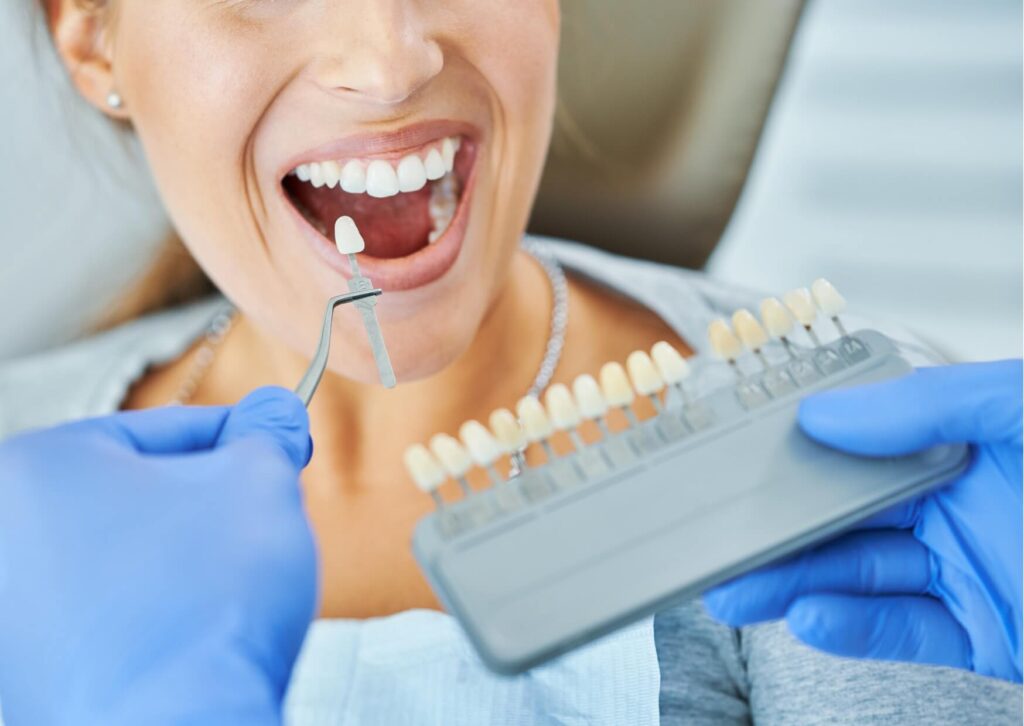
The lifespan of whitening results varies. Some patients stay happy with the shade for many months, while others notice fading sooner because of diet, smoking, dry mouth, or heavy stain buildup.
Maintenance is usually simpler than the first whitening phase. Good brushing, regular cleanings, and limiting frequent exposure to dark drinks can help preserve the result.
Whitening also works best on a clean surface. If plaque or tartar is present, a professional cleaning may be needed first so the whitening material can contact the enamel more evenly.
For patients who want longer-lasting control, dentist-supervised touch-ups are often more predictable than switching between random store products. For specific aftercare tips, see how to maintain your bright smile.
If you want more detail about timing and relapse, read about how long whitening lasts.
Risks, Limits, and When to Call a Dentist
The most common side effects are temporary tooth sensitivity and gum irritation. These problems are often mild, but they can be more noticeable when whitening is overused, poorly fitted trays are used, or root surfaces are exposed.
Whitening also has clear limits. It may not correct deep internal discoloration, and it will not repair chipped enamel, cavities, worn edges, or old restorations that stand out when surrounding teeth become lighter.
A dentist should evaluate symptoms that are severe, persistent, or unusual. That includes sharp pain, swelling, a single tooth turning dark, or sensitivity that does not settle, because those signs may point to decay, a cracked tooth, pulp inflammation, or another condition whitening does not address.
Whitening is usually most successful when it is part of overall dental care rather than a quick cosmetic add-on. A healthy mouth almost always leads to a better and more comfortable cosmetic result.
When Whitening Is Not the Best Cosmetic Fix
Some smiles look discolored when the real issue is not stain. Uneven bonding, old crowns, enamel loss, fluorosis, trauma-related color change, or a mismatch between one front tooth and the others may be better treated with bonding, porcelain veneers, crown replacement, or internal treatment.
This matters because patients often spend months trying different whitening products on a problem that was never likely to respond. A short exam can save time, reduce sensitivity, and point you toward treatment that better matches the cause.
Whitening Works Best When It's Tailored to You
If the goal is a noticeable but natural improvement, it helps to discuss what kind of change is realistic before starting. A consultation can clarify whether whitening alone is enough or whether another cosmetic dentistry or restorative dentistry approach will give a more even, durable result.
For professional teeth whitening in Lorton, VA, Lorton Town Dental offers in-office and take-home whitening and serves patients from nearby Springfield and Alexandria; call (703) 372-5665 to schedule.
FAQs
Which teeth whitening option works fastest?
In-office whitening is usually the fastest option because it uses stronger materials under dental supervision. It can be a good choice when results are needed quickly or when a patient wants a more controlled process.
Are over-the-counter whitening products safe?
They can be safe for some patients when used as directed, but they are not ideal for everyone. If there is tooth sensitivity, gum recession, cavities, visible dental work, or uncertain discoloration, a dental exam is the safer starting point.
Why do my teeth look uneven after whitening?
Uneven results may happen when staining is not uniform, trays or strips do not fit well, or some teeth have bonding, crowns, or fillings that do not lighten. A dentist can help determine whether the issue is technique, stain pattern, or existing dental work.
Can whitening damage enamel?
When whitening is used appropriately, it does not usually damage enamel in a clinically significant way. Problems are more likely when products are overused, used too often, or applied to teeth that already have untreated dental disease.
How do I know if whitening is right for me?
Whitening may be a good option if the teeth are healthy and the discoloration is the kind that typically responds to peroxide-based treatment. If the color change is new, limited to one tooth, painful, or paired with old dental work on front teeth, a consultation is the best next step.
Related Articles
- How to Get a Bright White Smile: The Ultimate Guide to Teeth Whitening
- The Definitive Guide to Professional Teeth Whitening
- Protect Your Bright Smile: Key Foods and Habits to Avoid Post-Teeth Whitening at Lorton Town Dental
- Getting Your Teeth Whitened Before Any Other Cosmetic Dentistry
- How Long Does Teeth Whitening Last?