(703) 372-5665

What Is Tooth Bonding?


What Is Tooth Bonding?
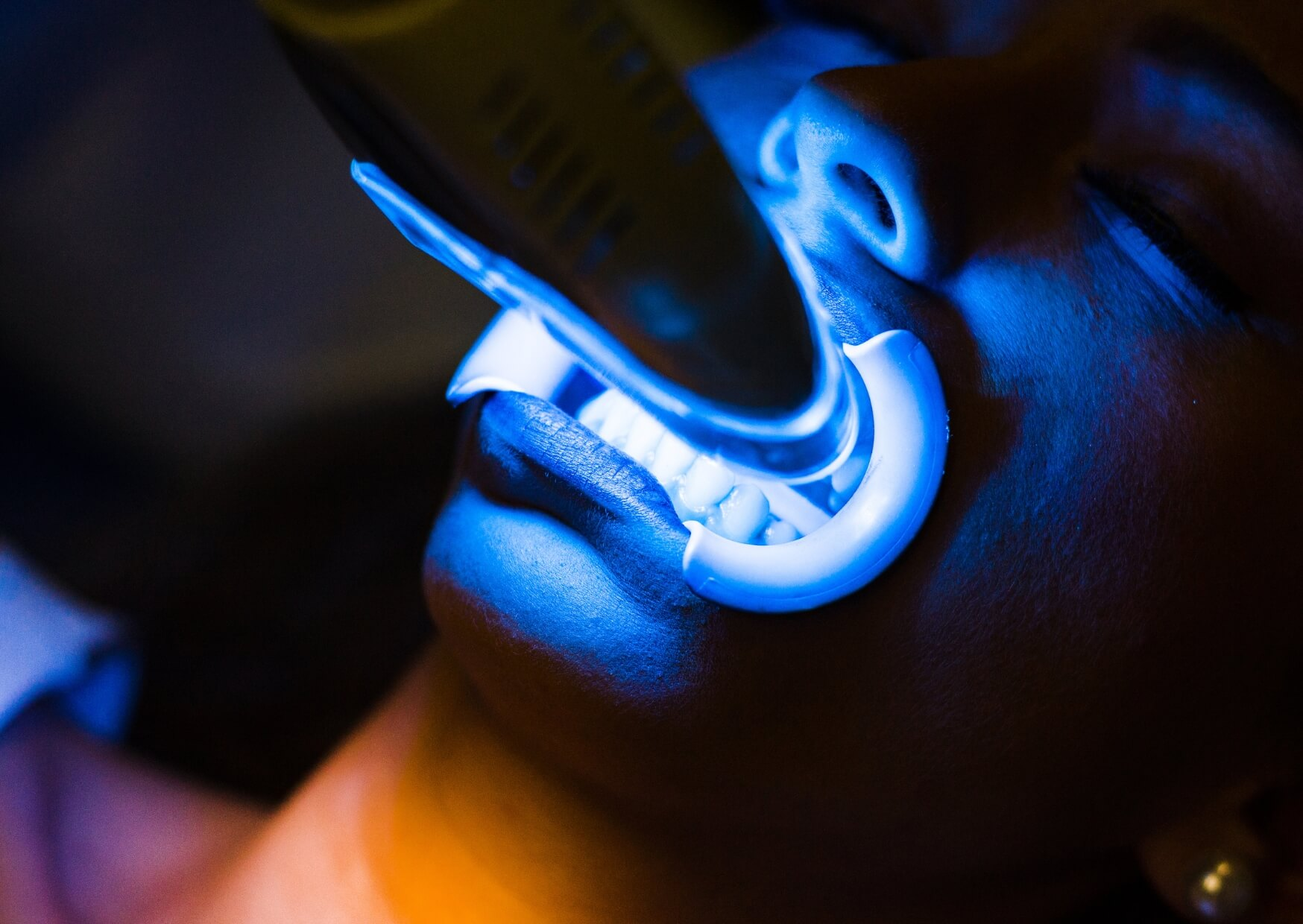
Tooth bonding is a dental treatment that uses a tooth-colored resin material to repair or improve a tooth. The resin is shaped directly on the tooth, hardened with a special curing light, and polished so it blends with the surrounding enamel.
Dentists often use bonding for small chips, worn edges, gaps, uneven shapes, and areas of discoloration that do not respond well to whitening. In the right situation, it can improve appearance quickly while preserving more natural tooth structure than some other options. It is commonly offered as part of cosmetic dentistry.
Bonding is usually best for modest changes rather than major bite correction or full-tooth rebuilding. A dental exam helps confirm whether the tooth is healthy enough for bonding and whether the result is likely to hold up well over time.
Lorton Town Dental in Lorton, VA provides cosmetic dentistry services and offers the kind of conservative smile improvements described here.
Why People Need Bonding in the First Place
A tooth may need repair after a small fracture, edge wear, or surface damage from daily use. In other cases, the concern is cosmetic, such as a tooth that looks too short, slightly misshapen, or darker than nearby teeth.
Bonding can also help when a small gap traps food or when an exposed root surface develops from gum recession. Root exposure means the softer part of the tooth near the gumline is no longer fully covered, which can lead to sensitivity or a rough appearance.
Not every flaw needs bonding, and not every damaged tooth is a good candidate. If the tooth has active decay, a large crack, heavy grinding forces, or major structural loss, a filling, veneer, or crown may be a better choice.
What Dental Bonding Can Fix
Dentists commonly recommend bonding for:
- Small chips or minor fractures
- Worn tooth edges
- Slight gaps between teeth
- Irregular tooth shape or length
- Localized stains or color mismatch
- Mild root exposure from gum recession
- Small cavities in visible areas, in some cases
The main limitation is scale. Dental bonding works best for conservative repairs where only a limited amount of tooth structure needs to be added or replaced.
How Tooth Bonding Compares With Veneers, Fillings, and Crowns
Bonding is often less invasive than veneers or crowns because it usually requires little to no removal of healthy tooth structure. It is also commonly completed in one visit, which appeals to patients who want a faster and more affordable improvement.
Veneers are thin porcelain coverings placed on the front of teeth. They may be a better choice when the goal is a bigger cosmetic change, stronger stain resistance, or a more durable surface over time. Learn more about porcelain veneers. For a deeper look at the tradeoffs between treatments, see veneer pros and cons.
Crowns cover most or all of the visible tooth and are used when a tooth is too weak or damaged for a smaller repair. Fillings are similar to bonding because they can also use tooth-colored composite resin, but the term filling usually refers to rebuilding part of a tooth lost to decay rather than reshaping visible surfaces for cosmetic reasons.
A Simple Way to Think About the Options
| Treatment | Best For | Main Advantage | Main Limitation |
| Bonding | Small chips, gaps, shape changes, spot discoloration | Conservative and often completed in one visit | Less durable than porcelain |
| Veneers | Front teeth with broader cosmetic concerns | Strong aesthetics and better stain resistance | Usually requires more planning and higher cost |
| Crowns | Teeth with major damage or weakness | Full coverage and structural support | More tooth reduction is often needed |
| Fillings | Decay or small structural loss | Functional repair of damaged areas | Not always ideal for cosmetic reshaping alone |
Who Is a Good Candidate for Tooth Bonding?
A good candidate usually has a healthy tooth, healthy gums, and a concern that is relatively small and well defined. Bonding tends to perform best when the bite is stable and the repaired area is not exposed to excessive clenching or grinding.
Dentists also look at oral hygiene, cavity risk, and whether the patient wants a short-to-medium-term improvement or a more durable long-term material. A stable bite matters as much as the cosmetic issue because repeated heavy force can shorten the lifespan of bonding.
If a tooth is painful, loose, deeply cracked, or discolored from internal damage, the evaluation may point to a different treatment. Those findings can suggest structural or nerve-related problems that bonding alone will not fix.
What Happens During the Bonding Appointment?
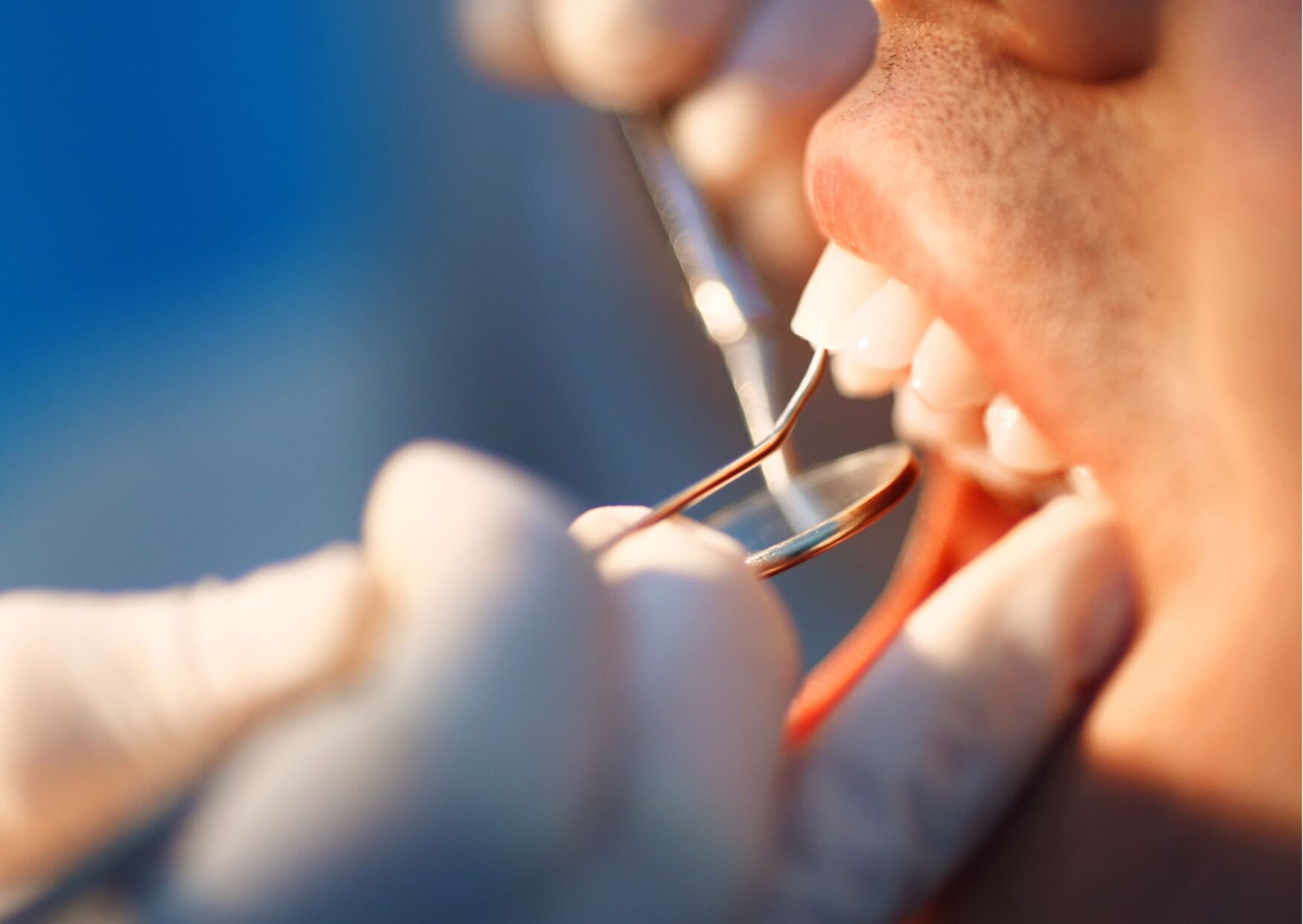
Bonding is usually a direct procedure, which means the material is placed and shaped on the tooth during the visit. Many cases do not require numbing unless decay is being treated or the tooth is sensitive.
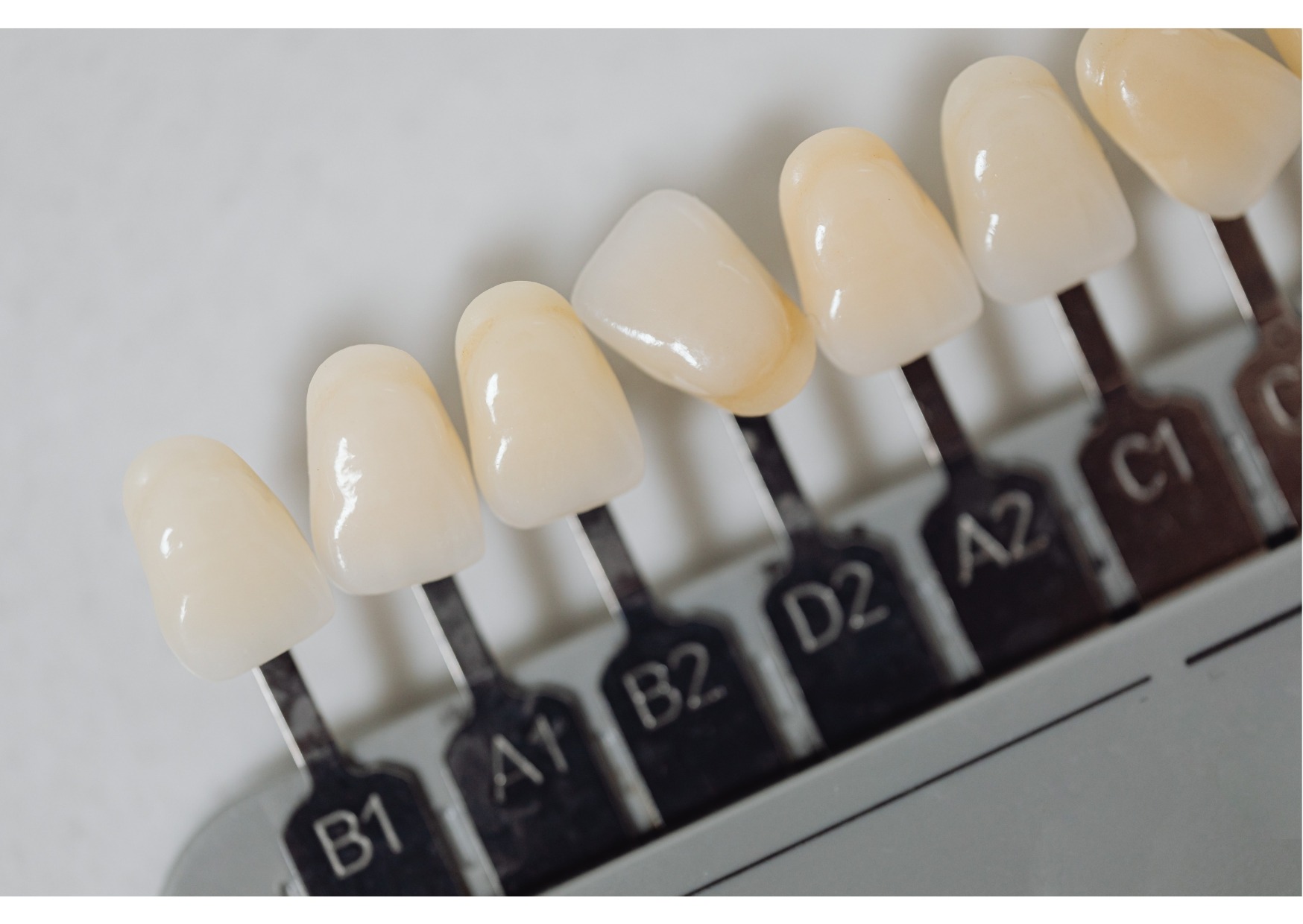
The dentist first selects a resin shade that matches the nearby teeth. The tooth surface is then cleaned and prepared so the material can attach properly.
A conditioning liquid and bonding agent help the resin adhere to enamel or dentin. Dentin is the inner tooth layer beneath enamel, and it is softer and more sensitive than the outer surface.
The dentist places the composite resin in layers, shapes it carefully, and hardens each layer with a curing light. Once the shape looks right, the surface is refined and polished so the bonded area feels smooth and blends naturally with the smile.
How Long It Usually Takes
A small repair may take less than an hour. If several teeth are being bonded or the shaping is more detailed, the appointment can take longer.
Healing, Recovery, and What to Expect Afterward
Recovery is usually minimal because bonding does not involve surgery. Most patients return to normal daily activity right away, although the tooth may feel slightly different until the bite and contours become familiar.
If numbing was used, it is wise to wait until sensation returns before chewing fully on that side. Some patients notice mild sensitivity to cold or pressure for a short time, especially if the bonded area is near an exposed root or a previously worn surface.
If the tooth feels high when biting, catches floss unusually, or develops persistent sensitivity, the dentist should recheck it. Small adjustments can make a major difference in comfort and longevity.
How Long Tooth Bonding Lasts
Tooth bonding can last several years, and in some cases longer, but it is not permanent. The typical lifespan depends on where the bonding is placed, how much material is used, the bite pattern, and daily habits such as nail biting, ice chewing, or teeth grinding.
Bonding on the edge of a front tooth often faces different stress than bonding near the gumline. Small cosmetic additions may hold up well, but they can still chip, stain, or wear over time.
Porcelain usually resists staining and wear better than composite resin. Even so, well-maintained bonding can be a very practical option when the repair is conservative and the forces on the tooth are reasonable.
How to Take Care of Bonded Teeth
Bonded teeth should be brushed and flossed like natural teeth. Good plaque control matters because the edges where bonding meets tooth structure can collect buildup if home care is inconsistent.
Composite resin can stain more easily than porcelain, especially with coffee, tea, red wine, tobacco, and frequent exposure to dark pigments. Regular cleanings help, but bonded surfaces do not always whiten the same way natural enamel does.
To protect the repair, avoid using teeth as tools and be cautious with very hard foods. If grinding or clenching is a concern, a dentist may discuss whether a night guard is appropriate based on the exam and wear pattern.
Benefits and Limits to Know Before You Decide
The main advantages of bonding are speed, conservative treatment, and natural-looking improvement. It can often be completed in one visit and may cost less than porcelain-based options.
The tradeoff is durability. Bonding is more likely than porcelain to stain, lose polish, chip, or wear, especially on teeth that absorb heavy biting force.
That does not make it a lesser treatment. Bonding works best when the goal is a focused, efficient correction and the case is well selected rather than asking the material to do the job of a crown or veneer.
When Tooth Bonding Is Not Enough
Bonding is not the right answer for every damaged or unattractive tooth. If there is extensive decay, a deep fracture, repeated breakage, severe discoloration from inside the tooth, or major loss of structure, another restorative plan may be safer and more predictable.
In those cases, a team approach focused on restorative dentistry can guide decisions about fillings, crowns, or other treatments. If you have a recent injury, see our chipped or broken tooth guide for urgent steps and comfort measures.
Urgent evaluation is important if there is severe tooth pain, swelling, pus, fever, trauma, or a suddenly loose tooth. These dental emergency signs may point to infection, a root fracture, or other problems that should not be covered up with a cosmetic repair.
A bonded tooth that repeatedly chips can also signal an untreated bite issue. In that situation, the long-term fix may depend more on force control and diagnosis than on replacing the material again.
When to Schedule a Consultation
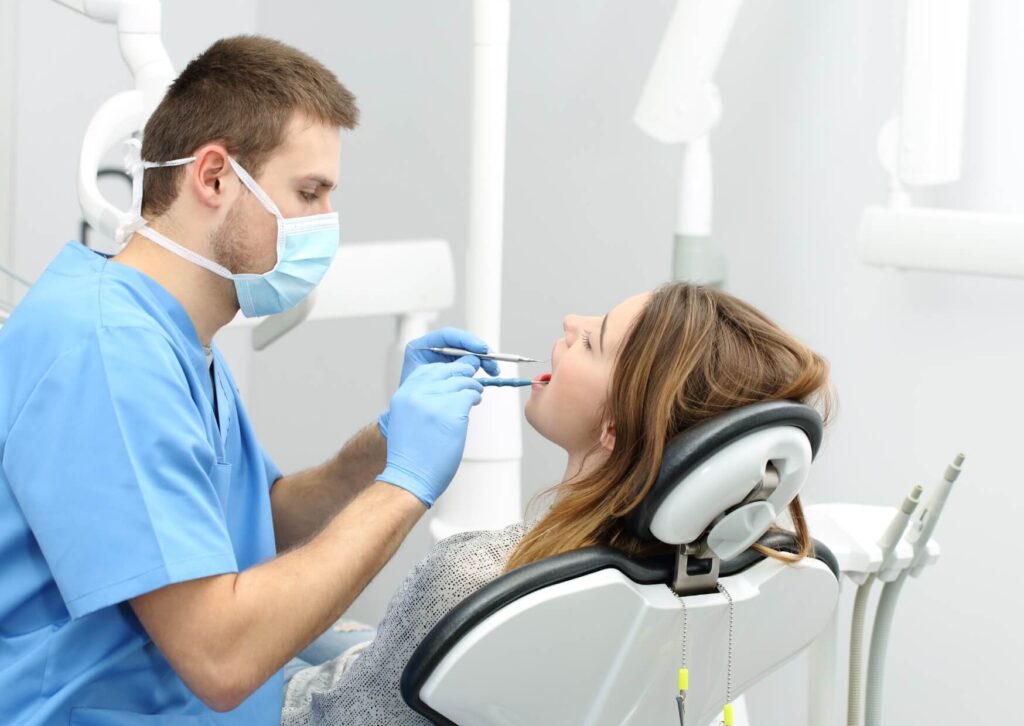
If a tooth is chipped, worn, uneven, or discolored, a consultation can clarify whether bonding is the simplest effective option. The exam should look beyond appearance and assess enamel quality, bite forces, gum health, and whether the tooth has underlying decay or crack lines.
This matters because the best cosmetic result is not always the best restorative decision. A careful dentist will explain when bonding makes sense, when a veneer or crown would last longer, and when the tooth should be treated for a more basic health problem first.
A Better Smile Can Start With One Simple Repair
If the concern is small and the tooth is otherwise healthy, bonding can be an efficient way to restore shape and confidence without over-treating the tooth. A consultation is the right next step when you want a clear answer based on the condition of that specific tooth.
If you'd like a personalized evaluation, Lorton Town Dental in Lorton, VA offers cosmetic dentistry for bonding and other quick cosmetic fixes, and serves patients from nearby Springfield and Alexandria; call (703) 372-5665 to schedule.
FAQs
Is tooth bonding the same as a filling?
Not exactly. Both may use composite resin, but bonding often refers to cosmetic reshaping or repair of visible tooth surfaces, while a filling usually replaces tooth structure lost to decay.
Does tooth bonding hurt?
It usually causes little to no discomfort. Many cases do not require numbing, although sensitivity can vary depending on the tooth and whether decay or exposed dentin is involved.
Can bonded teeth be whitened later?
Bonding material does not respond to whitening the same way natural enamel does. If the surrounding teeth are whitened later, the bonded area may no longer match and may need to be replaced or adjusted.
Is tooth bonding permanent?
No. Bonding can last for years, but it may chip, stain, or wear and sometimes needs repair or replacement.
How do I know if bonding or veneers is better?
That depends on the size of the cosmetic change, the bite, stain resistance goals, and the condition of the tooth. Bonding is often better for smaller, conservative changes, while veneers may be better for broader front-tooth cosmetic treatment.