(703) 372-5665

Bonding vs. Veneers: Choosing the Right Surface for Your Smile


Bonding vs. Veneers: Choosing the Right Surface for Your Smile
Along any city block, windows tell quiet stories. Some are newly restored and catch the light without effort. Others carry small chips, weathered corners, or the kind of unevenness that only becomes noticeable when the sun hits at a certain angle. Teeth can be like that. A smile may feel healthy and strong, yet still hold small details that draw attention in photographs, conversations, or the mirror at the end of a long day.
That is where bonding and veneers enter the conversation. Both are used to improve the appearance of teeth, especially when the concern is cosmetic rather than active disease. Both can help with chips, gaps, worn edges, discoloration, or shape differences. But they are not interchangeable. The difference is not just the material. It is also about how the tooth is prepared, how long the result tends to last, how stains behave over time, and how much change is possible without moving into more involved treatment.
At Lorton Town Dental, patients in Lorton and nearby communities can explore personalized cosmetic dentistry options in a comfortable and informative setting. Whether the goal is a subtle repair or a more noticeable smile enhancement, the team provides guidance on bonding, veneers, and other cosmetic treatments based on each patient's individual needs.
Why The Right Cosmetic Treatment Depends on the Tooth
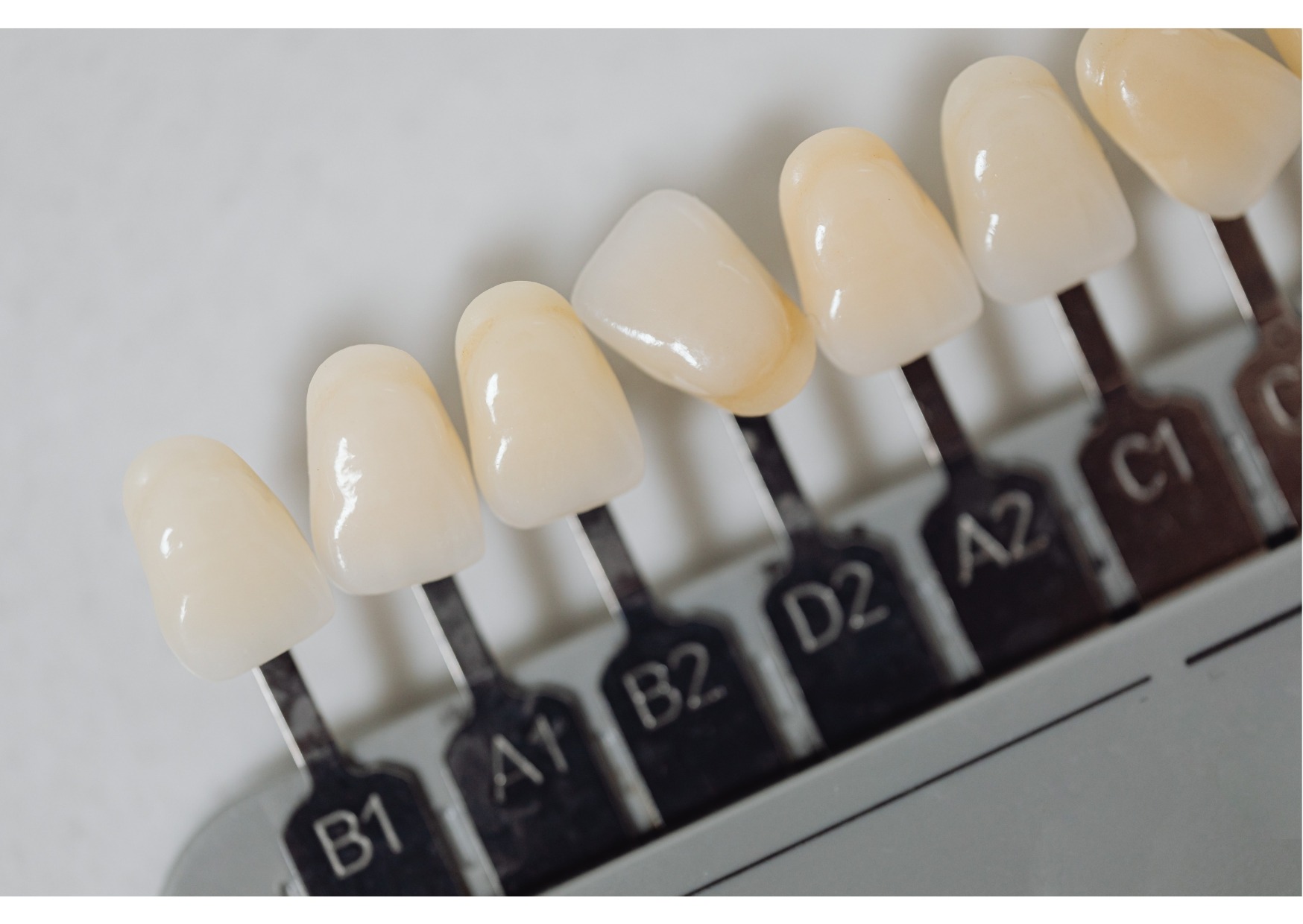
A tooth has its own geography. Enamel is the outer landscape, hard and mineral-rich, built to handle years of chewing and temperature changes. Beneath it sits dentin, a softer inner layer that contributes to the tooth's color and sensitivity. Cosmetic treatment works on that visible outer surface, and the best option depends on how much reshaping is needed, how healthy the tooth is to begin with, and what kind of finish will look believable in real life, not just on a shade guide.
In practice, the choice between bonding and veneers is usually less about which treatment is better and more about which one fits the tooth, the bite, and the patient's priorities. A small corner chip on one front tooth may be handled beautifully with bonding. Several front teeth with deep discoloration, uneven edges, and old restorations may be better served with veneers. The right answer usually becomes clearer when the clinical pattern is examined, not just the cosmetic wish. A focused cosmetic dentistry consult can help sort through those details and recommend the most conservative, predictable path.
What Bonding Actually Changes
Dental bonding uses a tooth-colored composite resin, a sculptable material placed directly onto the tooth and shaped by the dentist. It is in the same general material family as many white fillings, though the technique and cosmetic goals are different. The resin is bonded to the enamel, then refined and polished so it blends with the surrounding tooth.
Bonding is often a good fit for small chips, minor gaps, and subtle shape changes. It can also be used to mask limited discoloration or make a tooth look more even if one edge is slightly shorter or more worn than the other. One of its main advantages is conservation. In many cases, little to no healthy tooth structure needs to be removed.
That conservative approach matters. If a tooth is intact and the cosmetic issue is modest, bonding can offer meaningful improvement without committing the tooth to a more extensive restoration. It is also usually completed in one visit, which appeals to patients who want a practical option with less time in the chair.
Still, bonding has limits. Composite resin is durable, but it is generally not as stain-resistant or as long-lasting as porcelain. It can chip, dull, or pick up discoloration over time, especially in patients who grind their teeth, bite their nails, smoke, or drink a lot of coffee or tea. A repair is often possible, which is one of bonding's strengths, but the need for maintenance is part of the tradeoff.
What Veneers Are Designed To Do
Porcelain veneers are thin coverings placed on the front surface of teeth to change color, shape, size, and sometimes apparent alignment. Most traditional veneers are made from porcelain, a ceramic material known for its strength, translucency, and resistance to staining. The goal is not simply to cover a tooth, but to create a surface that reflects light in a way that resembles natural enamel.
Porcelain veneers are often chosen when a broader transformation is needed. They may be appropriate for more significant discoloration, repeated edge wear, multiple cosmetic concerns, or older bonding that no longer blends well. Because porcelain holds polish and color so well, veneers can produce a more stable long-term appearance, especially across several front teeth. For more on what to expect, see our dental veneers guide. For a clearer look at advantages and tradeoffs, read the pros and cons of veneers.
The process is usually more involved than bonding. In many cases, a small amount of enamel is reshaped so the veneer can sit naturally and avoid looking bulky. Impressions or digital scans are then used to design the final restorations, and a dental laboratory fabricates them. Some cases can be done with minimal-prep or no-prep designs, but that depends heavily on tooth position, thickness, bite, and the desired result.
Veneers are not a shortcut around oral health problems. If there is active decay, gum disease, a poorly controlled grinding habit, or unstable bite forces, those issues usually need attention first. A veneer can improve a visible surface, but it cannot make an unhealthy tooth healthy on its own.
Bonding vs. Veneers At A Glance
For many patients, the comparison becomes easier when the differences are placed side by side. The table below gives a general overview, but an exam is still important because tooth anatomy, bite pattern, and existing restorations can change the recommendation.
| Feature | Bonding | Veneers |
| Main material | Composite resin | Usually porcelain |
| Best for | Small cosmetic fixes on one or a few teeth | Broader smile changes or more complex front-tooth concerns |
| Tooth preparation | Often minimal or none | Often requires some enamel reshaping |
| Number of visits | Commonly one visit | Usually two or more visits |
| Appearance over time | Can look excellent, but may stain or lose polish sooner | Typically more color-stable and highly lifelike |
| Repairability | Often easier to patch or add to | Repairs may be less predictable; replacement is sometimes needed |
| Longevity | Generally shorter | Generally longer |
| Cost | Usually lower upfront | Usually higher upfront |
The most useful way to read this table is not as a scorecard, but as a map. If the concern is small and localized, bonding often makes sense. If the goal is a more durable and comprehensive aesthetic change across visible teeth, veneers may be the more predictable route.
How Dentists Decide Which Option Fits
A cosmetic consultation is not just about shade selection. A careful dentist will look at enamel quality, gum position, tooth proportion, bite relationship, and the way the lips frame the smile at rest and in motion. Those details matter because a treatment that looks ideal in a still image may fail quickly if the bite is unstable or if there is not enough enamel for reliable bonding.
Enamel Matters More Than Many Patients Realize
Both bonding and veneers rely heavily on enamel, the strong outer layer of the tooth. Bonding tends to perform best when there is enough healthy enamel for the resin to adhere to. Veneers also benefit from enamel support, especially because enamel bonding is generally more predictable than bonding to exposed dentin.
If a tooth has large old fillings, fractures, or significant wear, the conversation may shift. In some cases, neither bonding nor veneers is the ideal answer, and another restoration such as a crown may be more appropriate. A restorative dentistry evaluation can help determine whether a crown, an onlay, or another approach is needed instead of, or before, cosmetic work. When weighing alternatives, see our article on veneers vs. other options for more comparison.
Bite Forces Can Change The Recommendation
A patient who clenches or grinds may still be a candidate for cosmetic treatment, but the treatment plan may need to be adjusted. Bonding on the edges of front teeth can chip under heavy force. Veneers can also fail if the bite is not managed properly. Sometimes a night guard is recommended after treatment to help protect the result.
One Tooth Is Different From A Smile Makeover
A single chipped incisor and a six-tooth cosmetic redesign are different problems. Bonding often works well when the dentist is matching one tooth to neighboring natural enamel. Veneers often become more attractive when several front teeth need coordinated changes in brightness, contour, and symmetry. In that setting, porcelain can offer more control and consistency.
Appearance, Staining, and The Question Of Naturalness
Patients often ask which option looks more natural. The honest answer is that both can look natural when used in the right situation and done skillfully. Poorly planned bonding can look flat or opaque. Poorly designed veneers can look bulky or overly bright. Material matters, but design matters just as much.
Porcelain has an advantage in how it handles light. A well-made veneer can mimic the depth and translucency of enamel in a way that is difficult to reproduce consistently with direct composite, especially across multiple teeth. That is one reason veneers are often favored for highly visible smile zones.
Bonding, however, can be remarkably lifelike in small areas. A talented dentist can rebuild a chipped corner so subtly that it disappears in ordinary conversation. For localized repairs, that level of restraint is often more appealing than a larger restorative step.
Staining is another practical issue. Porcelain generally resists staining better than composite resin and tends to offer better stain resistance over time. Bonding may darken or pick up surface discoloration, particularly around the edges. This does not mean bonding is poor treatment. It means maintenance and long-term expectations should be discussed honestly before treatment begins. In some cases, professional teeth whitening before cosmetic work can help create a more consistent final shade.
Cost, Longevity, and Maintenance In Real Life
Cost is often part of the decision, and it should be. Bonding usually costs less upfront because it is completed directly by the dentist and often in a single appointment. Veneers typically involve more planning, laboratory fabrication, and chair time, so the initial fee is usually higher.
But upfront cost is only one part of value. Bonding may need polishing, repair, or replacement sooner. Veneers often last longer, but when they fail, replacement can be more involved and more expensive. The better financial choice depends on the clinical situation and on whether the patient values lower initial cost, longer-term stability, or the most conservative approach possible.
Maintenance matters for both. Neither treatment is immune to neglect, grinding, or trauma. Good home care, regular dental visits, and realistic habits around chewing ice, opening packages with teeth, or ignoring nighttime clenching can make a meaningful difference in how long cosmetic work lasts.
Understanding the benefits of cosmetic dentistry can help clarify what to expect from different investments in your smile.
No dentist can responsibly promise a fixed lifespan. Materials age differently in different mouths. Saliva chemistry, bite force, diet, and oral hygiene all influence the outcome.
When A Cosmetic Concern May Be More Than Cosmetic
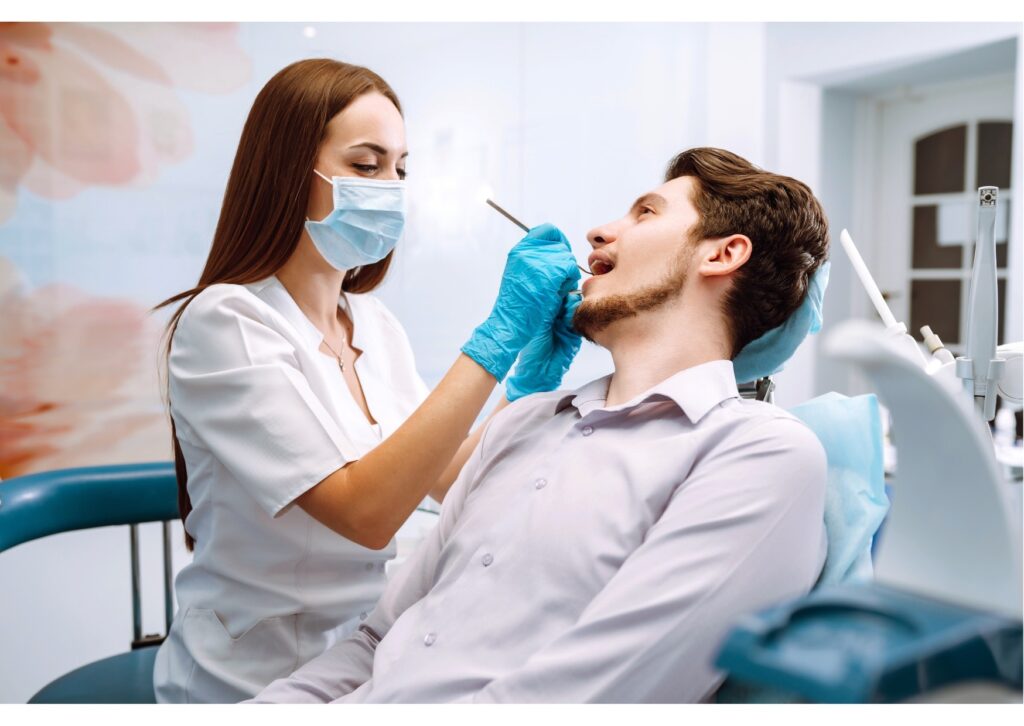
Not every chipped, discolored, or uneven tooth is simply a cosmetic issue. Sometimes the visible change is the surface sign of decay, enamel erosion from acid exposure, grinding, trauma, or a crack. If there is pain, temperature sensitivity, swelling, bleeding gums, loosening, or a sudden change in how the teeth meet, a dental evaluation is more important than choosing between cosmetic options.
Certain signs deserve prompt attention. Severe tooth pain, facial swelling, pus, fever, or a broken tooth with sharp pain may indicate infection, nerve involvement, or structural damage that needs urgent care. In those situations, cosmetic planning comes later.
Even less dramatic symptoms should not be ignored if they persist. A darkening tooth after an injury, repeated chipping in the same area, or bleeding around one tooth may point to an underlying problem. The appearance matters, but the diagnosis comes first.
If you would like a thoughtful evaluation of whether bonding, veneers, or another path makes sense for your teeth, schedule a cosmetic dentistry visit at Lorton Town Dental. Call (703) 372-5665 to speak with our team about same-day openings and next steps.
Questions Worth Asking At A Consultation
A good cosmetic consultation should feel specific, not scripted. The most useful questions are the ones that connect appearance to biology and long-term maintenance.
Consider asking:
- Which option preserves more natural tooth structure in this case?
- Is the main issue color, shape, wear, alignment, or a combination?
- Are there signs of grinding, decay, or gum disease that should be treated first?
- How likely is staining or chipping with my bite and habits?
- If something fails, is repair realistic or would replacement be more likely?
- Would whitening, orthodontic treatment, or replacing old fillings change the plan?
Those questions tend to reveal whether the recommendation is grounded in the tooth's condition rather than in a one-size-fits-all cosmetic package.
The Better Choice Is Usually The One That Respects The Tooth
There is something quietly reassuring about dentistry at its best. It does not try to erase every irregularity as if character were a defect. It studies the surface, listens for the history underneath, and chooses the lightest intervention that can still do the job well.
In the comparison of bonding vs. veneers, that principle holds. Bonding is often the gentler answer for small, focused changes. Veneers often provide a stronger aesthetic framework when several visible concerns need a coordinated and durable solution. Neither should be chosen by trend alone.
A smile is not a showroom finish. It is part of speech, eating, expression, and memory. The best cosmetic dentistry respects that complexity. It should look believable in morning light, hold up in ordinary life, and make sense not only for the photo taken next month, but for the tooth that still has work to do years from now.
Choosing between bonding vs veneers is easier when you have clear guidance from a dental team that understands both aesthetics and long-term oral health. At Lorton Town Dental, we help patients throughout Lorton and nearby areas achieve natural-looking smile improvements with personalized cosmetic dentistry care.
Call (703) 372-5665 today to schedule your consultation and take the next step toward a stronger, more confident smile with treatment designed specifically for your needs.
FAQs
Is bonding better than veneers for a small chip?
Often, yes. For a small chip on an otherwise healthy tooth, bonding is commonly the more conservative option because it may require little or no removal of natural tooth structure.
Do veneers last longer than bonding?
In many cases, yes. Porcelain veneers generally last longer and resist staining better than composite bonding, though lifespan varies based on bite forces, oral hygiene, and habits such as grinding.
Can bonding look as natural as veneers?
It can, especially for small repairs. For larger cosmetic changes across several front teeth, veneers often provide more consistent translucency and color stability.
Do veneers ruin natural teeth?
Not necessarily, but traditional veneers often require some enamel reshaping. Whether that is appropriate depends on the tooth's condition, the cosmetic goal, and whether a more conservative option could work.
Should I choose the cheaper option first?
Not always. Lower upfront cost can be reasonable for the right case, but the best choice depends on the tooth, the expected longevity, and how much maintenance is likely over time. A dental exam is the safest way to compare options for a specific smile.