(703) 372-5665

How Long Do Porcelain Veneers Last? Lifespan & Care


How Long Do Porcelain Veneers Last? Lifespan & Care
Porcelain veneers often last 10 to 15 years, and many stay in good condition even longer. Their lifespan depends on bonding quality, the health of the tooth underneath, daily wear, and whether habits like grinding put extra stress on them.
For most patients, the question is not just how long veneers stay attached. It is also how long they keep looking natural, feeling comfortable, and protecting the tooth without chipping, leaking at the edges, or irritating the gums.
Lorton Town Dental provides porcelain veneers in Lorton, VA and can offer the conservative, long-lasting veneer care described here. Learn everything about veneers.
What Porcelain Veneers Do
Porcelain veneers are thin ceramic shells bonded to the front surface of a tooth. They are often used to improve color, shape, size, minor spacing, and overall smile balance.
They can serve both cosmetic and restorative goals. Many patients also compare broader cosmetic dentistry options such as whitening, bonding, or crowns, and some review veneers vs. other options before deciding.
Veneers do not make a tooth indestructible. The natural tooth underneath still needs healthy enamel, stable gums, and a bite that does not overload the restoration.
Typical Lifespan and What It Means
Most well-made porcelain veneers last about 10 to 15 years. Some need replacement sooner, while others remain serviceable for 15 to 20 years or longer.
That range is normal because veneers do not all fail in the same way. One may stay bonded but develop a visible edge near the gumline, while another may chip from bite pressure.
In other cases, the veneer still works well but no longer matches nearby teeth after natural aging or other dental work. Sometimes the veneer outlasts the original cosmetic goal, even though it is still intact.
Why Some Veneers Last Longer Than Others
Several factors affect how long porcelain veneers last. Many of the most important ones are present before treatment even begins.
Healthy Enamel Matters
Veneers bond best to enamel, which is the hard outer layer of the tooth. When a veneer is bonded mainly to strong enamel, the seal and long-term retention are usually more predictable.
If a tooth has large fillings, fracture lines, or significant enamel loss, a veneer may still be possible. However, the long-term outlook may change, and in some cases a crown is the better option.
Bite Pressure Can Shorten Veneer Life
A heavy bite, deep overbite, edge-to-edge contact, or nighttime grinding can place repeated stress on porcelain. Teeth grinding and clenching are common reasons veneers chip, crack, or debond earlier than expected.
This matters even more for front teeth, which often take force during chewing, nail biting, or unconscious clenching. If grinding is a concern, a protective night guard may be recommended after treatment.
Tooth Position and Alignment Affect Stress
Teeth that are rotated, protruded, or crowded may need orthodontic correction before veneers, or at least careful planning to avoid overbuilding the porcelain. In some cases, straightening with clear aligners such as Invisalign can improve long-term results by creating a more favorable bite.
Veneers that are made too bulky to compensate for alignment problems may be harder to clean. They may also be more likely to develop edge stress over time.
Gum Health Plays a Major Role
Healthy gums help veneers look natural and stay easier to maintain. If gum inflammation or recession develops, the margin where the veneer meets the tooth may become more visible.
If gum disease or recession is present, appropriate periodontal treatment can help protect the gums and bone that support your veneers. You can also read how to prevent gum disease to protect long-term results.
That does not always mean the veneer has failed. Still, it can affect appearance and increase the risk of decay at the edge if plaque control is poor.
Planning and Lab Quality Matter
Porcelain veneers are technique-sensitive. Tooth preparation, impressions or digital scans, bite design, material choice, and bonding steps all affect how long the result lasts.
Long-lasting veneers usually come from conservative planning, not aggressive cosmetic reshaping. A veneer should fit the tooth and the bite, not just look bright in a photo.
Common Reasons Porcelain Veneers Need Replacement
Veneers are durable, but they are not permanent. Over time, a dentist may recommend repair or replacement for structural, biological, or cosmetic reasons.
- Chipping or Fracture: Porcelain is strong under normal use, but it can chip from trauma, hard biting, or chronic grinding. Small chips may sometimes be managed, but larger fractures often require replacement.
- Debonding or Loosening: A veneer can occasionally come loose if the bond fails. This may happen from wear, contamination during bonding, bite overload, or changes in the underlying tooth.
- Decay at the Veneer Edge: A veneer itself does not decay, but the natural tooth around it can. Decay around the margins is one of the most important reasons a veneer may need to be removed and replaced.
- Gum Recession or Visible Margins: As gums change with age or brushing habits, the edge of a veneer may become easier to see. Even if the veneer is still healthy, the result may no longer look seamless.
- Color Mismatch Over Time: Porcelain resists staining better than natural enamel, but nearby teeth can darken. If whitening, bonding, crowns, or other dental changes happen later, the veneer may stand out and need updating for a better match.
Who Is a Good Candidate for Long-lasting Veneers?
The best candidates for porcelain veneers usually have healthy gums, manageable bite forces, and enough enamel for reliable bonding. Veneers often work well for worn edges, discoloration that does not respond well to whitening, minor shape differences, and small spaces between teeth.
Patients with untreated gum disease, active decay, major bite instability, or severe grinding may need other care first. In some cases, orthodontics, bonding, crowns, or implants are better choices depending on the condition of the teeth.
A good consultation should cover more than shade and shape. It should also include bite evaluation, gum health, old fillings, and whether the underlying tooth structure can support a veneer long term.
What the Process Looks Like and How It Affects Longevity
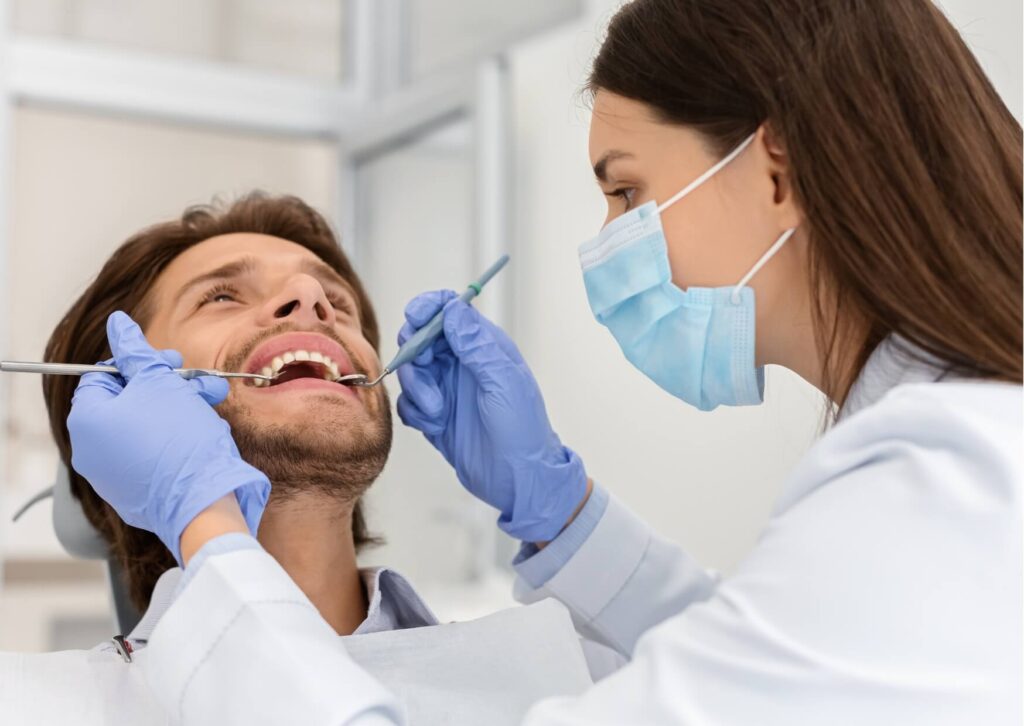
The veneer process usually starts with an exam, photos, and either impressions or a digital scan. Many dentists also review how the front teeth meet during speech and chewing, because those contact patterns can predict where veneers may wear or chip.
If veneers are appropriate, the teeth may be prepared by removing a small amount of enamel so the porcelain can sit naturally. Some cases are very conservative, while others need more adjustment to correct shape or color.
Temporary veneers may be used while the final porcelain is being made. At the delivery visit, the veneers are tried in, checked for fit and appearance, and then bonded into place.
The final bite adjustment matters. If a veneer takes too much force in one small area, that stress can shorten its lifespan even if it looks excellent on the day it is placed.
Healing, Adjustment, and What to Expect After Placement
There is usually little true healing after veneer placement because the gum and bone are not being surgically treated. Still, the teeth and gums may need a short adjustment period, especially if the veneers change length, contour, or bite contact.
Mild temperature sensitivity can happen at first. The bite may also feel slightly different for a few days as your mouth adapts.
If a veneer feels high, catches floss, irritates the gum, or causes persistent sensitivity, a follow-up visit is important. Small problems are often easier to correct early than after months of uneven pressure or plaque buildup.
How to Make Porcelain Veneers Last Longer
Good maintenance is usually simple, but it matters. Veneers last longer when the surrounding teeth and gums stay healthy.
Brush thoroughly, clean between the teeth every day, and keep regular dental checkups. Professional exams can catch early problems such as edge leakage, gum inflammation, or bite wear before the veneer is damaged.
Avoid using veneered teeth to open packages, tear objects, or bite very hard items. If grinding or clenching is present, a custom night guard may help reduce overload during sleep.
It is also wise to manage habits that create repeated front-tooth stress. Ice chewing, nail biting, and contact sports without a mouthguard can all shorten veneer life.
Benefits and Limits to Keep in Mind
Porcelain veneers can provide a natural-looking result with strong stain resistance and good longevity. They are often one of the best options for improving front teeth when the goal is a stable change in color, shape, and symmetry.
They do have limits. Veneers are not ideal for every damaged tooth, and they do not stop future gum changes, decay, or bite-related wear. If you're weighing options, read the pros and cons of veneers.
They also usually involve irreversible tooth preparation, even when that preparation is minimal. For that reason, veneer treatment should be based on a clear diagnosis and a realistic long-term plan, not just a short-term cosmetic goal.
When to Schedule a Dental Consultation
A dental consultation makes sense if you are considering veneers for worn, discolored, uneven, or slightly spaced front teeth. It is also important if existing veneers are chipping, staining at the edges, feeling loose, or no longer matching the rest of your smile.
Some symptoms need faster attention. Call a dentist promptly if a veneer breaks, comes off, causes pain when biting, or if there is swelling, bleeding around one tooth, or a dark line that seems to be getting worse near the margin.
A good exam can clarify whether a veneer can be polished, repaired, monitored, or replaced. If you're worried about the look or fit of your restorations, see our guide on being unhappy with veneers.
If you're considering porcelain veneers, Lorton Town Dental in Lorton, VA (serving patients from nearby Springfield and Alexandria) can help; call (703) 372-5665 to schedule a consultation.
FAQs
How long do porcelain veneers last on front teeth?
Front-tooth porcelain veneers often last 10 to 15 years, and some last longer. Their lifespan depends heavily on bite forces, grinding habits, enamel quality, and routine maintenance.
Do porcelain veneers last longer than composite veneers?
In many cases, yes. Porcelain veneers generally last longer and resist staining better than composite veneers, though the right choice depends on the tooth condition, budget, and treatment goals.
Can porcelain veneers last 20 years?
Yes, some can. That is more likely when veneers are conservatively planned, bonded well to healthy enamel, protected from grinding, and maintained with regular dental care.
What shortens the life of porcelain veneers?
Common factors include grinding, clenching, trauma, poor oral hygiene, gum recession, decay at the margins, and a bite that places too much force on the veneer. Large underlying fillings or weak tooth structure can also reduce predictability.
Do veneers need to be replaced after 10 years?
Not always. Ten years is a common checkpoint, not an expiration date. Some veneers need replacement earlier, while others remain healthy and attractive well beyond that point.